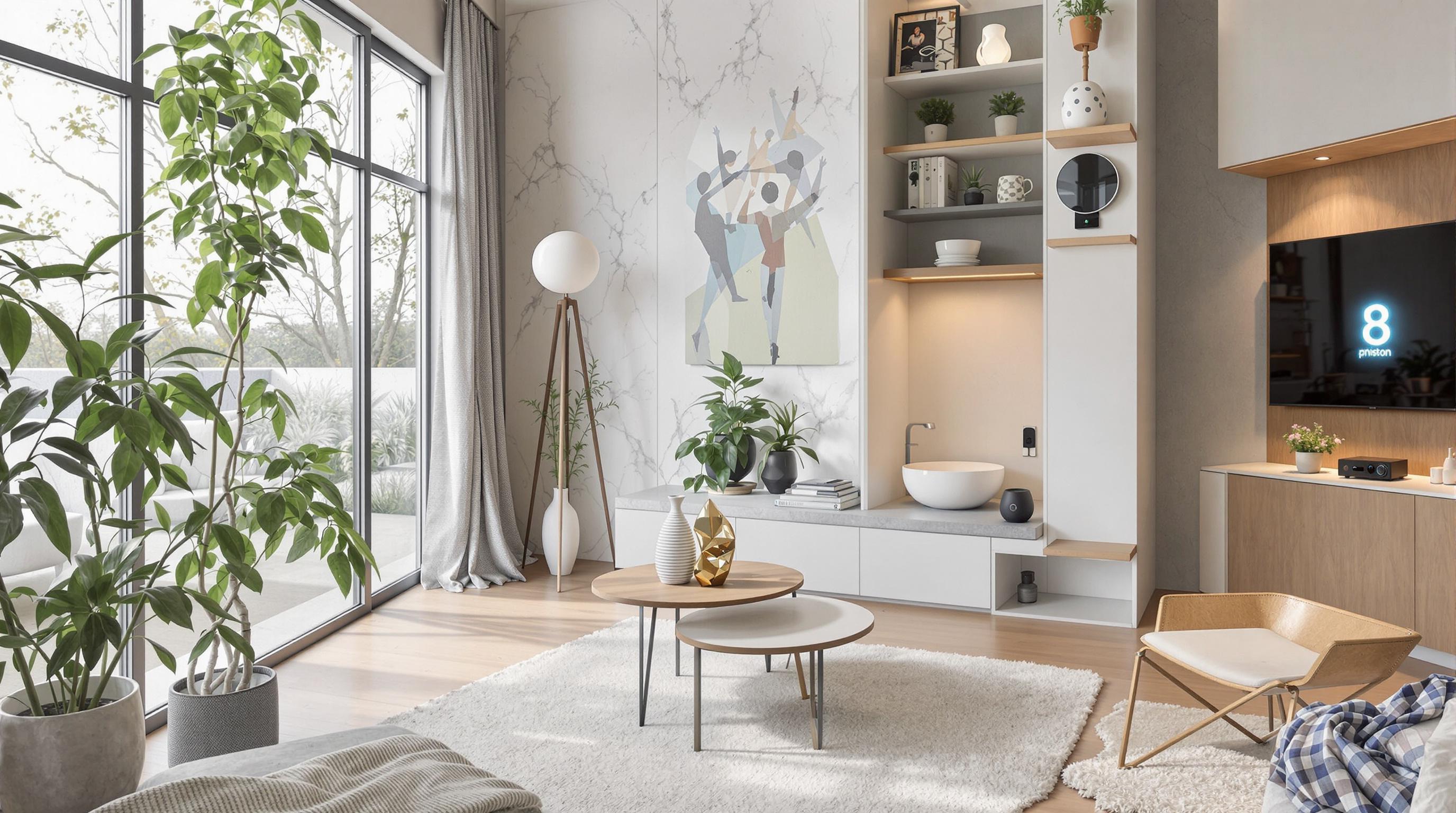
Featured Articles
- Reimagining Spaces: The Rise of Biophilic Design in Urban Home Remodels
- Revamping Nostalgia: Embracing Vintage Aesthetics in Modern Home Remodels
- Revamping Spaces: Unveiling the Rise of Biophilic Design for Home Remodeling in 2023
- "Reviving the Past: Blending Vintage Charm with Modern Remodel Trends in Unexpected Ways"
- Top 8 Smart Home Gadgets Launched in the Last 5 Years for Next-Level Remodeling Projects
Reimagining Spaces: The Rise of Biophilic Design in Urban Home Remodels
Reimagining Spaces: The Rise of Biophilic Design in Urban Home Remodels
As our urban environments become increasingly crowded and our lifestyles more frenetic, biophilic design emerges as a refreshing solution that connects us back to nature. This article explores the nuances of biophilic design in urban home remodels, emphasizing its benefits, challenges, and future potential.
Understanding Biophilic Design
Biophilic design is rooted in the idea that humans have an inherent need to connect with the natural world. When you think of a home, your mind might conjure up images of sleek lines, modern aesthetics, or minimalist designs. However, incorporating natural elements—like plants, water features, and organic materials—can significantly enhance our living spaces.
The Science Behind the Trend
According to research by the Human Spaces Report, around 33% of people feel more creative in environments that incorporate natural elements. Furthermore, a study from the University of Queensland found that employees working in offices with natural light and plants reported a 15% increase in productivity. If biological impulses can have such a profound effect on corporate environments, imagine the benefits for our homes!
Where to Start: Simple Changes to Consider
Integrating biophilic design doesn’t require a complete overhaul of your home. Start small: consider adding indoor plants like snake plants or succulents that require little maintenance. Another idea is to use natural materials such as wood or stone in your décor, which can establish a soothing atmosphere. Think about painting one wall a calming color associated with nature—like earthy greens or ocean blues.
A Case Study: The Green Apartment in New York
A fascinating example of biophilic design can be found in the Green Apartment project located in Manhattan. This ambitious remodel transformed traditional urban living by incorporating an indoor garden on the balcony and utilizing large windows to allow abundant natural light. The residents reported not only feeling more connected to nature but also experiencing reduced stress levels, highlighting the transformative potential of such design.
Statistics and Trends
Google Trends data reveals that searches related to "biophilic design" have increased by over 250% in the past five years. Why such growing interest? Urban areas are notoriously lacking in green spaces, and individuals are looking for ways to bring nature back into their homes. A survey from the American Society of Landscape Architects shows that 70% of respondents are interested in incorporating native plants into their home landscapes—a clear indication that people crave a connection to the environment.
The Emotional Benefits of Nature
Beyond aesthetics, the emotional benefits of biophilic design cannot be overstated. A landmark study published in the journal Environment & Behavior highlighted that people living in homes with access to nature reported decreased feelings of anxiety and depression. As we continue to battle the strains of modern life, creating a peaceful sanctuary within our homes is crucial.
Humorously Embracing Imperfection
Let’s face it, if you’ve ever tried to keep houseplants alive, you know that they’ve got a funny way of letting you know they’re not happy. Ever walk into a room to find that your beloved fern has turned into a crispy brown husk? Take heart! Biophilic design is forgiving; after all, it celebrates nature in all its imperfect glory. Those scraggly vines might just display character—and a great conversation starter!
Breaking Down Barriers to Implementation
One challenge many face when considering biophilic design is the misconception that it requires a huge budget or grand renovations. However, urban homeowners can reimagine their spaces even on a budget. Simple elements like adding a window box filled with seasonal blooms or installing a small fountain can quickly uplift the ambiance without breaking the bank.
Bringing it All Together: A Personal Story
Let me take you back to my friend Sarah’s tiny city apartment—once a boxed-in claustrophobia-inducing space. After embracing the tenets of biophilic design, she began to see it in a new light. Sarah painted her walls a fresh green, added a vertical herb garden against one wall, and adorned her window sills with cheerful pots of flowers. The transformation was breathtaking! Sarah's space now serves as a peaceful oasis amidst the urban jungle—like a mini rainforest tucked away in a concrete structure.
Consulting the Experts
As with any home remodel, seeking professional advice can pay dividends. Architects and designers specializing in biophilic design can help ensure that your space is both functional and harmonious with your natural surroundings. They can suggest specific plants that thrive in your local climate or guide you in choosing eco-friendly materials for your remodel.
The Future of Urban Homes
Looking ahead, the trend towards biophilic design is expected to grow as more people recognize its benefits. With climate change looming large, the push for sustainable living will also influence architecture and home design. Urban planners increasingly emphasize biophilic principles, thereby creating neighborhoods that embody these ideals.
The Role of Technology
Advances in technology are making it easier for homeowners to integrate biophilic design into their spaces. Smart home technology allows for automated systems to regulate light and temperature to mimic natural conditions. Imagine a home where the thermostat adjusts based on natural light, enhancing your connection to the environment. Welcome to the future of home design!
Final Thoughts
Reimagining spaces through the lens of biophilic design doesn’t just enhance our living conditions; it rejuvenates our spirits. As we come to appreciate the intrinsic bond between our well-being and the environment, integrating nature into our urban homes will become an opportunity rather than a challenge. Whether you’re twenty-two or seventy, embracing nature in our everyday spaces is not just a trend but a welcomed return to our roots.
Why You Should Consider Biophilic Design
So why should you consider biophilic design for your next urban remodel? It’s simple: enhancing your home with natural elements can catapult your well-being, creativity, and overall happiness. You don’t have to rethink your whole house to make a difference. Just think greens, blues, and natural textures—the urban jungle awaits! So pick up that potted plant, and let’s take a step towards a more harmonious living space.
Related Articles